Programmatic buying can automate parts of advertising transactions and campaign delivery. It is a sales channel layered on a functioning network, not a substitute for placement rights, suitable inventory, creative approval or customer service.
Define the inventory before connecting it
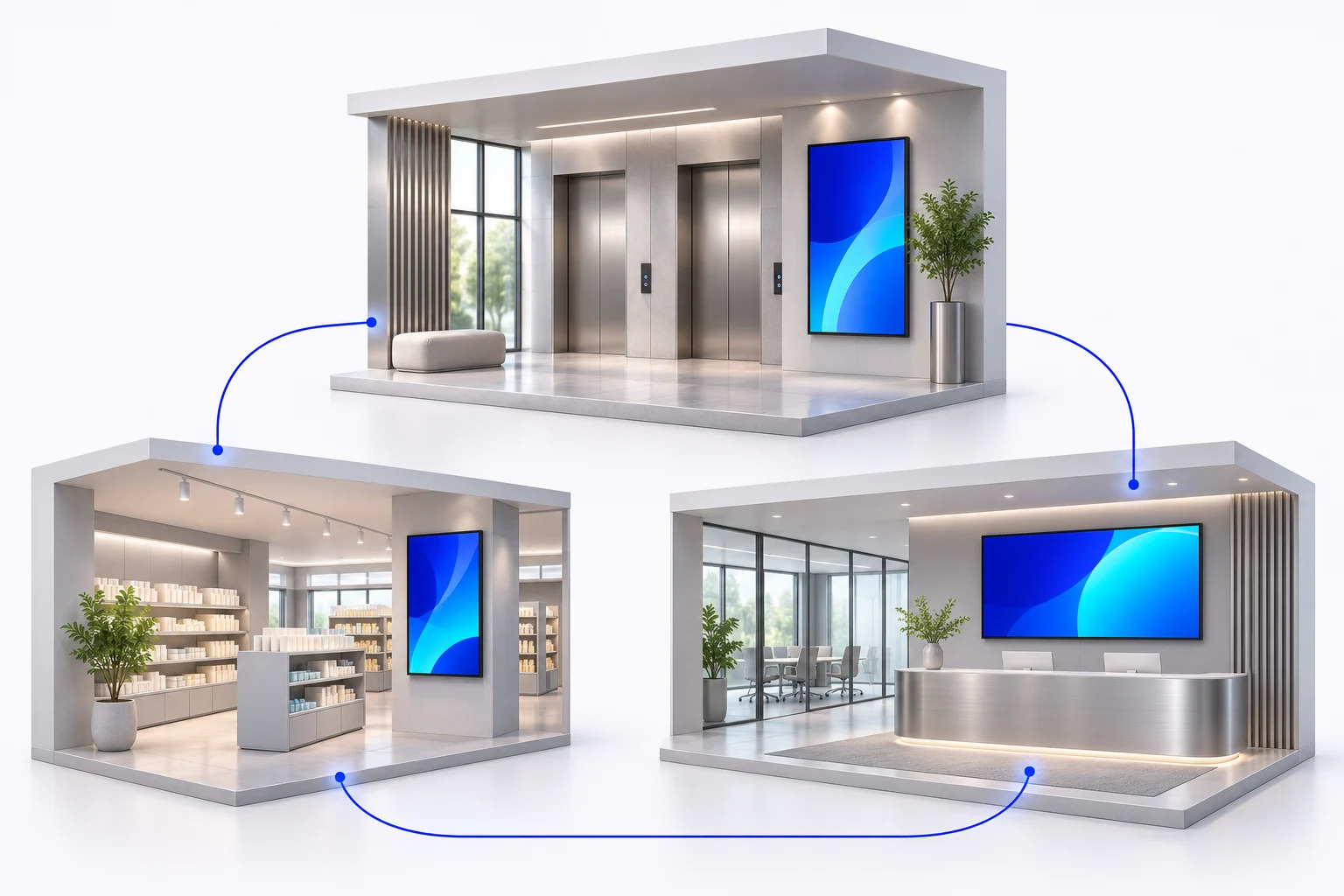
Record venue type, location, device format, permitted hours and bookable capacity. Separate venue announcements, direct campaigns and partner allocations. Make sure the metadata represents the actual placement and that you have the right to sell it.
Confirm the supported platform path
Ask which sell-side and demand-side connections are supported, what integration work is needed and which licences and fees apply. A CMS subscription alone does not prove access to a particular buyer. Confirm creative formats, reporting fields and the commercial onboarding process.
Retain approval and delivery controls
Set pricing permissions, excluded categories, venue restrictions and moderation responsibilities. Agree what happens when a creative is rejected, a device is offline or delivery falls short. Monitor the complete process, including reporting and settlement.
Analytics is a separate decision
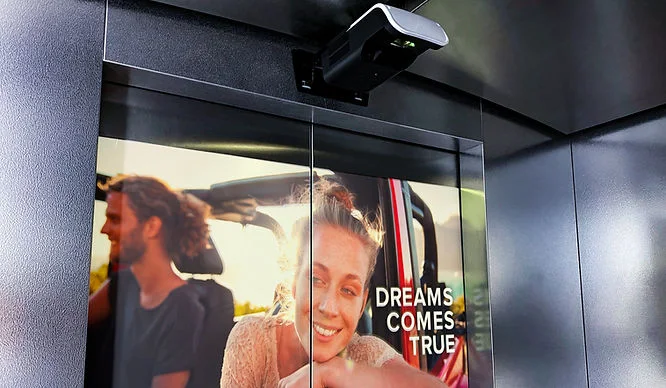
Some arrangements use location and schedule data without a camera. If audience data is supplied, define the method, usage rights, coverage and privacy requirements. Automated buying does not make an audience estimate exact or remove the need for data governance.
Test before offering broad coverage
Run an agreed test booking, inspect delivery and reconcile the reports between parties. Add real demand relationships rather than assuming the connection will fill every slot. Compare this approach with direct and managed-service models.
For current equipment and software, see Eastidea’s elevator and indoor media solutions. Device compatibility, licences and services are confirmed in the project proposal.